



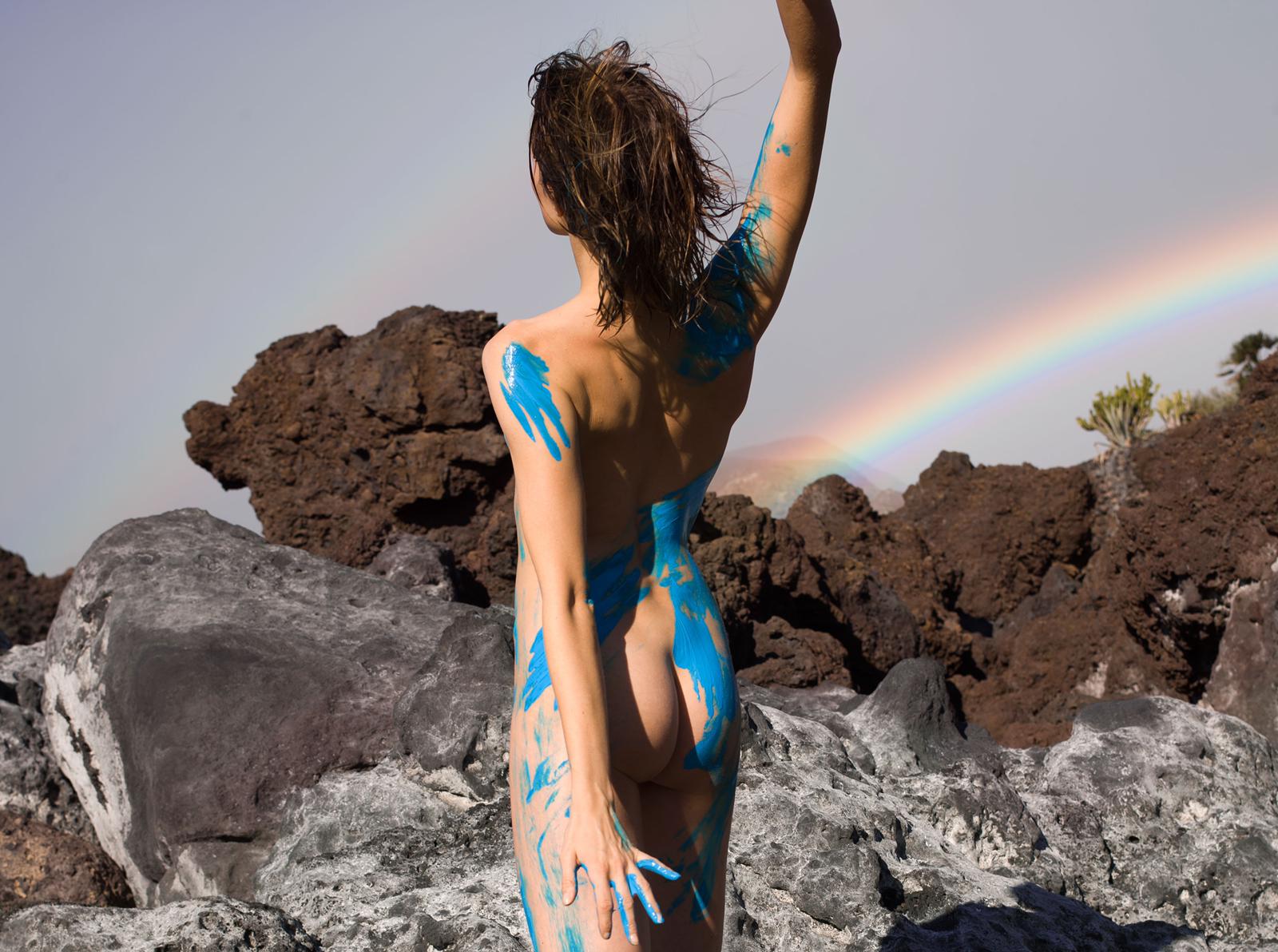
Fashion and sustainability seem to be two nouns that do not coincide, the classic parallel lines that will never meet.
Fashion is luxury, waste, immolated snakes for expensive handbags and soft furs.
But the seventies have passed; in the last few years the entire fashion industry has started to move to make fashion more sustainable.
Giulio Bonazzi was one of the first to try this with his company Aquafil; in particular he deals with the protection of our seas and oceans.

It started in 2008 with a project called “Enycol” that aimed to revolutionize the standard production process of any object: take raw materials, transform them and eventually throw them away, all using processes that pollute our air and water that we use every day.
He was considered, a fool, the banks denied loans; his manager friends considered him a visionary.
In fact, Bonazzi was and still is a visionary, so projected towards the future that he has managed to make the fashion world essential to the concept of sustainability; he has even managed to bring in hype the fiber obtained from the recycling of fishing nets, sought-after and much sought after by haute couture brands such as Gucci, Prada or Stella McCartney.
Following this, fast fashion brands have also decided to pay more attention to our planet: Zara has announced that by 2025 it will use 100% sustainable fabrics and H&M is committed to using only recycled materials by 2030.

The air of change has also arrived in the French haute couture circles; in August G7 Francois-Henri Pinot, chief executive of Kering (the group to which Balenciaga, Bottega Veneta and Saint Laurent belong) gave voice to what is now known as the Fashion Pact: an agreement wanted by President Macron to limit the environmental impact of the fashion system.
But all this does not seem to be enough, Pinot himself said that Kering has not yet found a concrete way to reduce the environmental impact by 40% by 2025 as established by the Pact.
For this reason even in our small way it is necessary to be aware that the natural resources we have are not infinite; we must learn to select and understand that Green fashion is not synonymous with sloppy but with intelligence.
More from Eco Brand

KUON: beautiful things remain beautiful

KUON is a Japanese brand created by Shinichiro Ishibashi. After the apprenticeship with an established tailor in Tokyo, the designer worked …

Eco and Cool. Wait Fashion presents: the blog Impercfect Idealist and the brands Stan Clothing e An Erin
Here we are again with a new appointment with Eco and Cool, the column that teaches you how to be …

Eco and Cool: Wait Fahion presents the brands: BEEN London, Kings of Indigo and Left Edit.
Wait presents... cool and eco-friendly brands that respect the environment and follow the latest trends. One of the main problems in …


