



From Japan we know stories, legends, figures, therefore paintings and photographs, like the iconic one of Mount Fuji, for example. But when the first foot is laid on the land that gave birth to writers such as Banana Yoshimoto, to directors including Hayao Miyazaki – highly esteemed in Europe – and to artists such as the famous Yayoi Kusama, whose museum recently opened in Tokyo is in overbooking until March 2018, we can only change perceptions with respect to the stories that are told to us.
First of all, if it is true that precision and cleanliness are manic, as well as the certainty of permanent work, it is equally certain that the Japanese country proves to be among the states with the highest number of suicides, in particular among young people. So it’s not all roses and flowers, some would say. And indeed it isn’t, but it is not about this at the moment. The question is that beyond the social problems, among the unavoidable categories today in everyday life, increasingly understood as a union between technology and aesthetics, there is fashion. Japan is certainly one of the most interesting countries from this point of view.

For us Westerners, brands and designers, we could even say philosophers of style, like Yohji Yamamoto, Issey Miyake, Rei Kawakubo, Junya Watanabe, then Comme des Garçons and Kensai Yamamoto, are extravagant, absurd, manic. They insist too much on black, blue or tartan. They are stubborn with pleats and do not understand anything at all. Few of us know how to understand their quality, intrinsic and not. For the peoplle of the rising sun, they are like for us it is Giorgio Armani or Prada. Although therefore they are also known in the Old Continent, there they live a very different consideration. It is not unusual, in fact, to see on the streets, perhaps in the coolest areas of the capital Tokyo like Omotesandō and Ginza, men and women wear naturally – although aware of being extremely cool and at the center of attention – clothes of the above-mentioned designers. Then walking through the most hidden streets, parallel to the large avenues, you can also meet shops with second hand goods, where you can make very convenient purchases, or others, which not only sell the top Japanese and local brands, but revisit them according to current trends: for example, an over shirt by Ralph Lauren, which we would never dare to cut and sew, at least we do not not have a real passion for crafts, turned into a crop top with puffed sleeves.
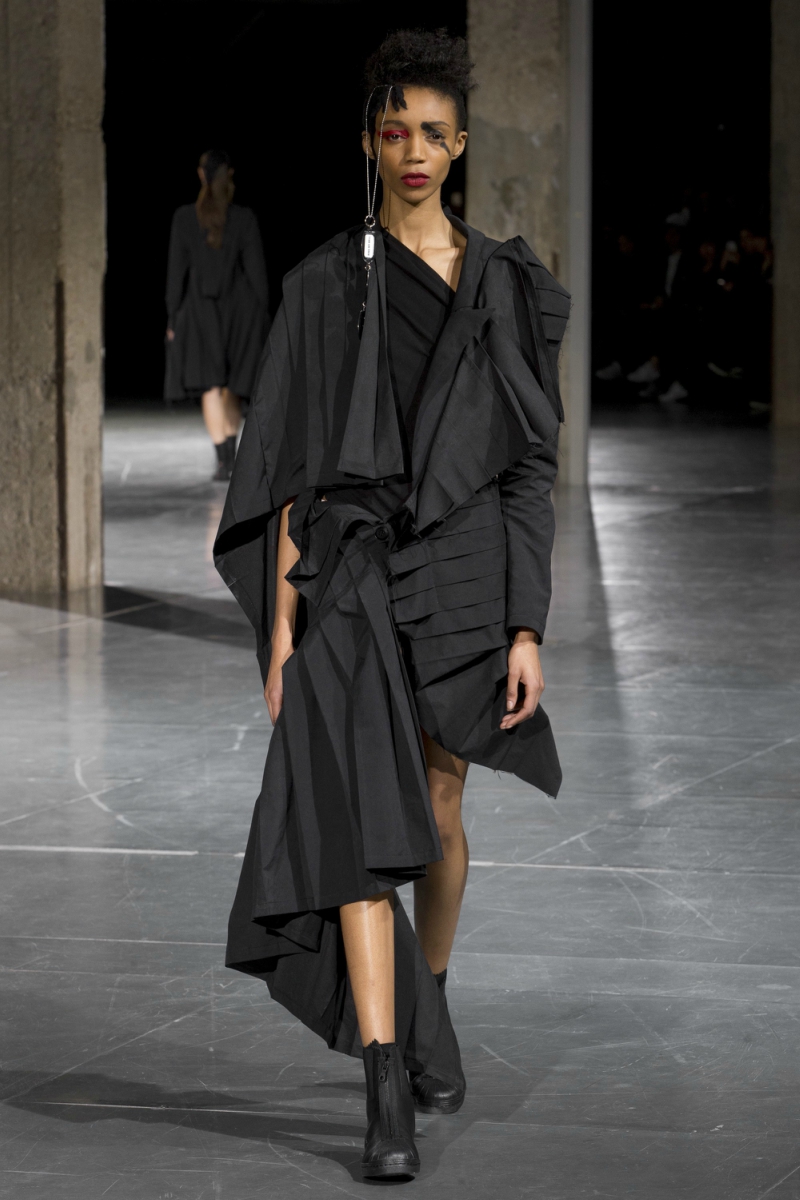
Sportswear is expertly and mixed with ready-to-wear garments. The most attentive could say that even here the marriage is cleared, true. But the difference is that in Japan it is done freely, without distinction of occasions or style impositions, to remain more connected to the apparel-accessory issue. It is no coincidence that the slogan of Comme des Garçons is: wear your freedom. And if the Yoji Yamamoto line for Adidas, or the Y-3, are dedicated real mono-brand stores, outside and inside the shopping centers, and to talk about the latter would not be enough ten long editorials, what is found is a quite radical bipolarity in the choice of colors: either they dress in total black or match bright colors and in unusual ways.
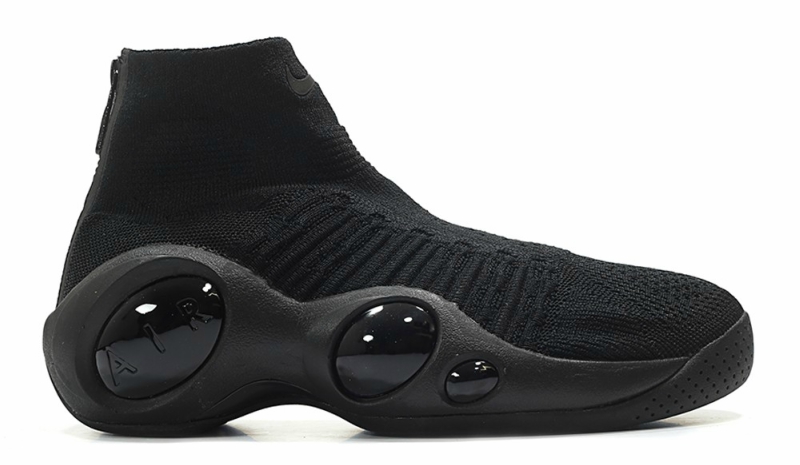
Forget the Nike Free, although they are sold, but rather to Western tourists to buy them there (but why?), that are replaced copiously by the model Presto, Max, Flight Bonafide and More Uptempo ’96 Premium, all of the US house. And if to us the Onitsuka Tiger, one of the oldest companies in Japan, born in fact in 1949 in Kobe, are old fashioned, there are still considered among the most interesting sports shoes, especially the nippon made collection.
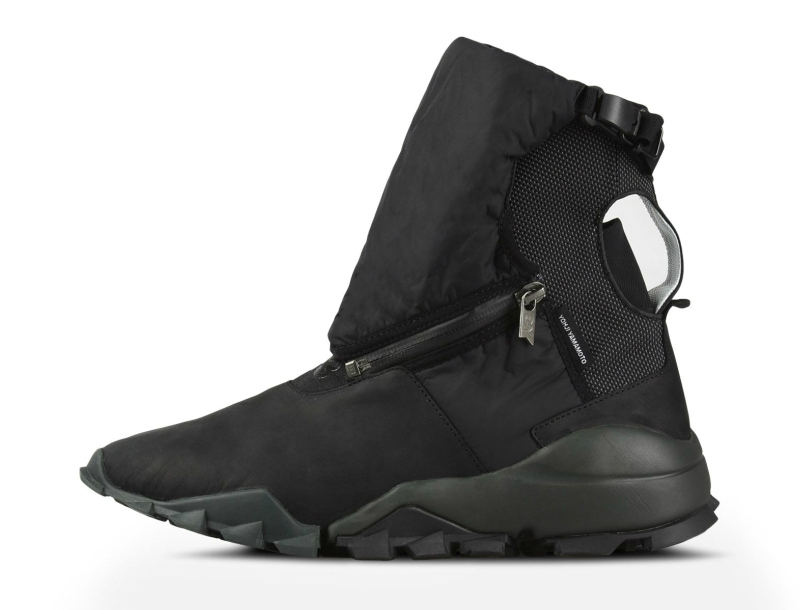
Harajuku girls aside, it amazes how especially the boys have a strong attention to fashion. Here they would be considered by the most blasé or exhibitionist. Among the accessories that wear the most, at least during the winter, you can see wool hats, strictly in black, and above all, the boots. Fashion is the Sf Air Force 1 Hi Ibex model, also by Nike, the Qasa Boot by Y-3, as well as the Ryo High, always from the same house. And although they too are well integrated into the global culture, with its strengths and weaknesses, including homologation, it is remarkable to decipher how the latter empties everywhere except for clothing. Yes, there are also trends there, of course, but the reflection that emerges looking at everyone perfectly dressed up, is that, perhaps, all these brands and aesthetic inputs, are what makes their style heterogeneous. By exaggerating, one could say with certainty that seeing people dressed identically (if not on purpose) is impossible. Of course, some are extravagant, others offer a real lesson, others are rather ugly, but, as Rei herself says: “For something to be beautiful… it doesn’t have to be pretty”.

Photo credits:
Comme des Garcons store in Omotesando, Tokyo | Pinterest
Issey Miyake by Brigitte Lacombe
Ryo High by Y-3
Nike Flight Bonafide
Yohji Yamamoto FW 2017 | Monica Feudi – indigital.tv
Y-3 store opening party in Omotesando, Tokyo | tokyodandy.com

More from Accessories


Vans X Horror: a scary collection

Less than a month to Halloween and for the occasion Vans brings back to life the most terrifying horror films …

Steetwear and Upcycling: this is how Tega Akinola revives Nike and Patagonia garments
Tega Akinola, with only 22 years and a degree from an undefined London college, has made a lot of talk …


